Property media for people who have to justify a lease, not fall in love with a kitchen
Spec homes, communities under construction, retail and office space, industrial listings, and multifamily marketing — shot for the reader evaluating a deal, not picturing dinner parties.
A different reader, a different shot list
Residential listing photos sell an emotional decision. Commercial photos sell a business case. A regional manager scoping a retail space wants to see sightlines, parking, loading access, and ceiling height — not a warm, styled vignette. A corporate relocation team looking at office space wants to see how the floor plan actually divides. The shot list changes accordingly: wider establishing shots that show scale and layout, straight-on elevations that read cleanly in a leasing deck, and interior shots that favor clarity over mood lighting.
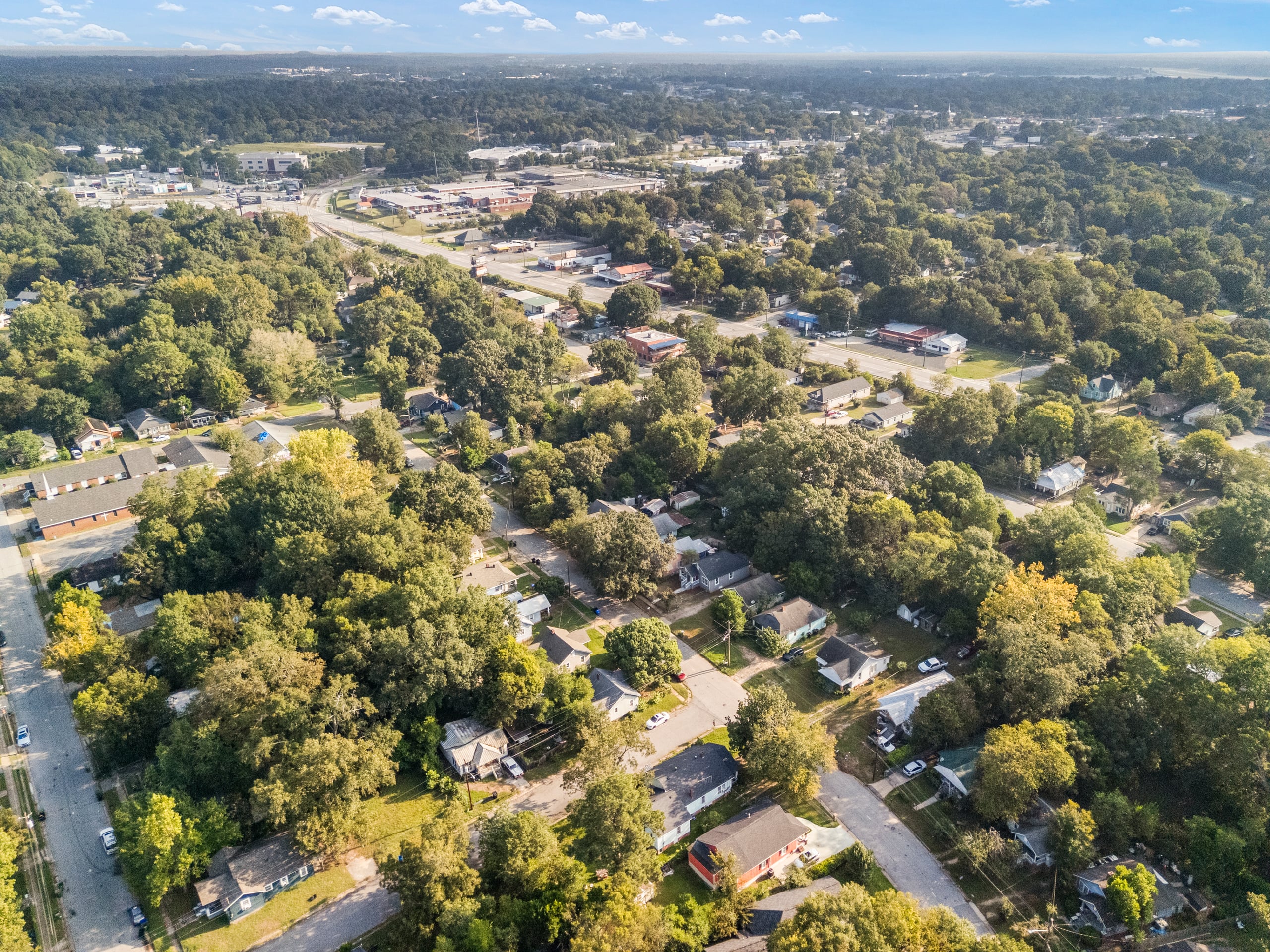
The same FAA Part 107 drone license used on residential listings covers commercial exteriors too — useful for showing a property's position relative to a highway interchange, an anchor tenant, or a business park's overall layout in a single aerial frame.
The people reviewing these photos are often making a decision on behalf of someone else — a broker presenting options to a client, a facilities manager building a shortlist for a VP — which raises the bar on how defensible the images need to be. A photo that looks great but misrepresents the actual ceiling height or ignores a visible structural issue creates a problem down the line for whoever vouched for the space; commercial photography here is shot to hold up under that kind of internal scrutiny, not just to look good in a thumbnail.
Builders and spec homes
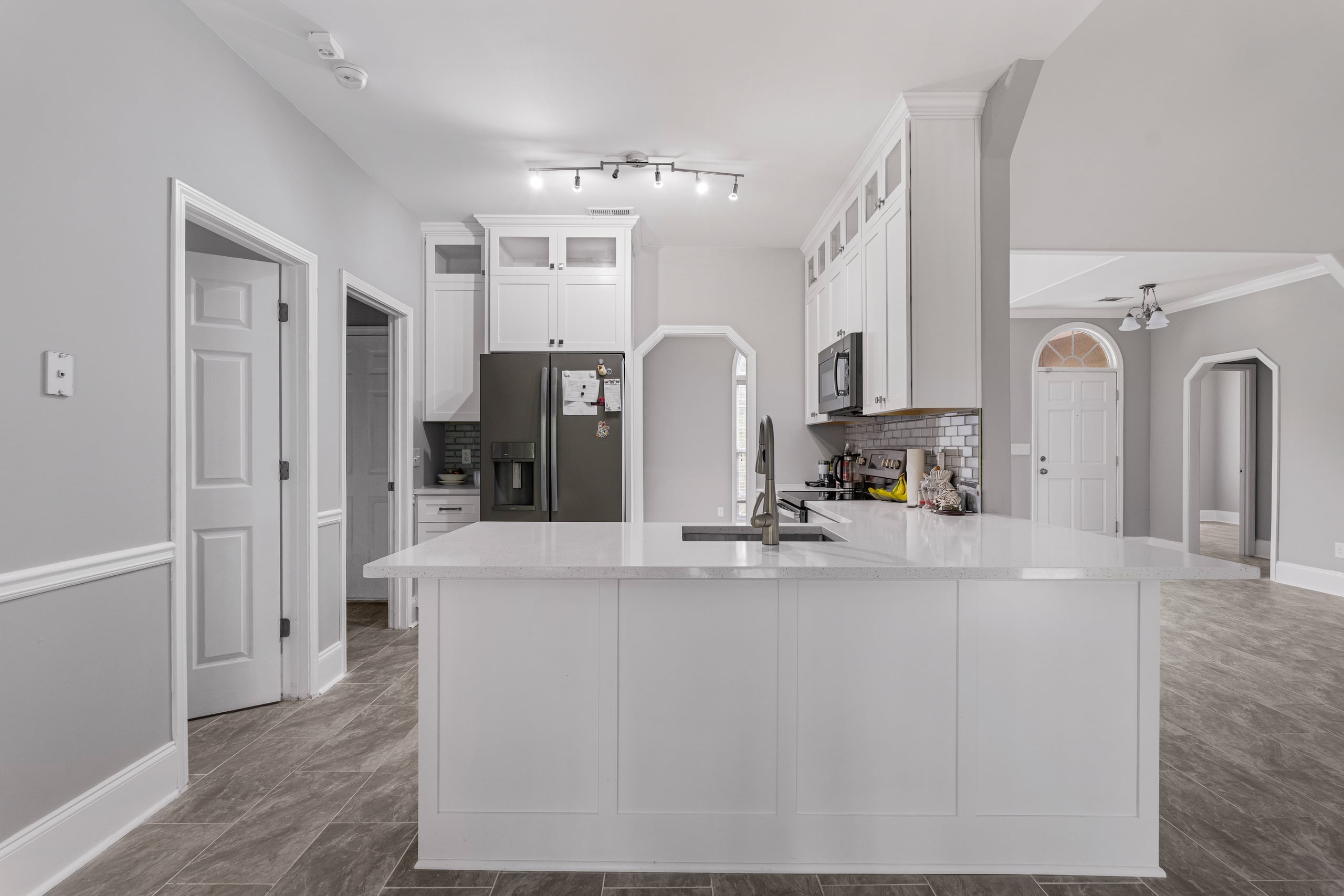
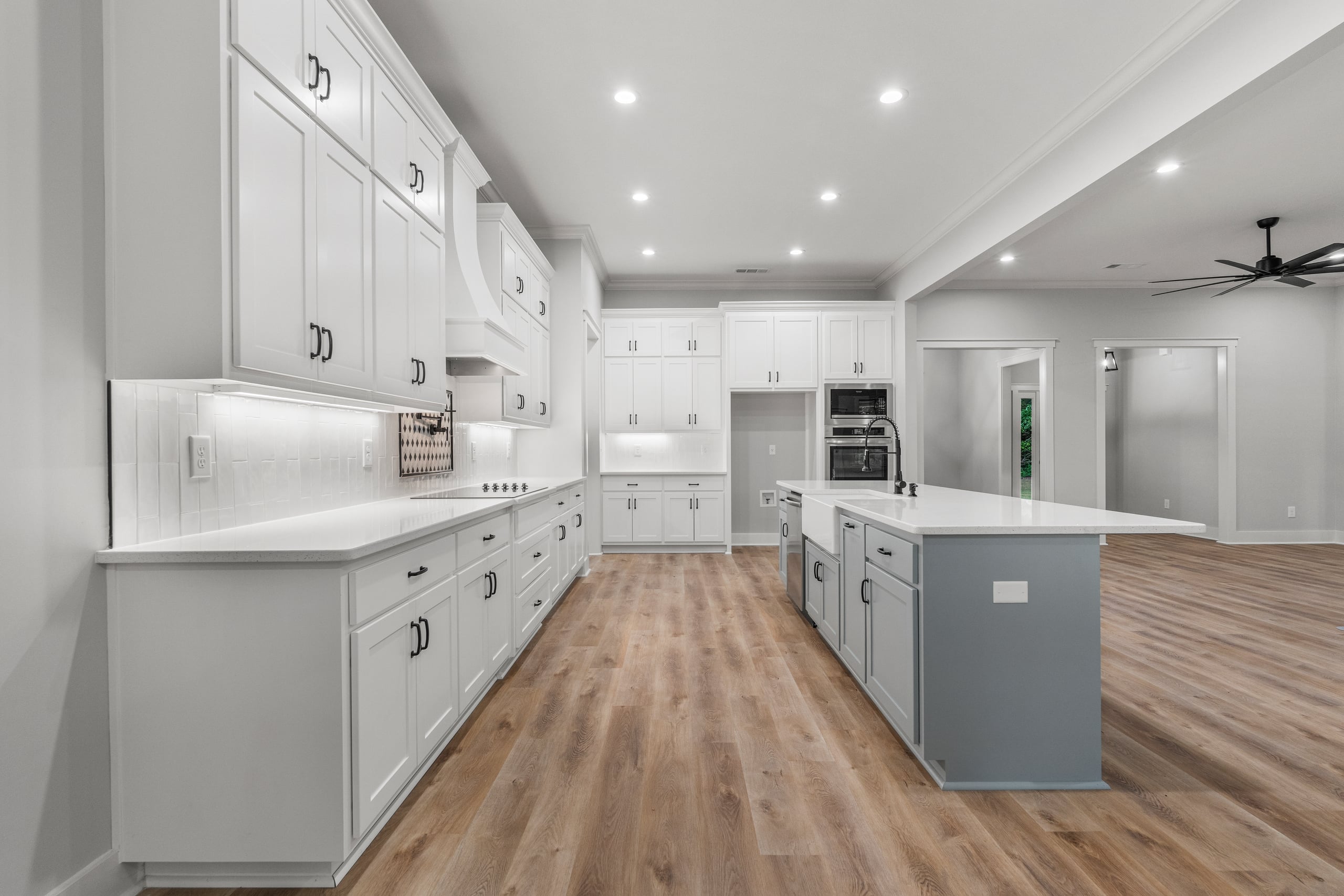
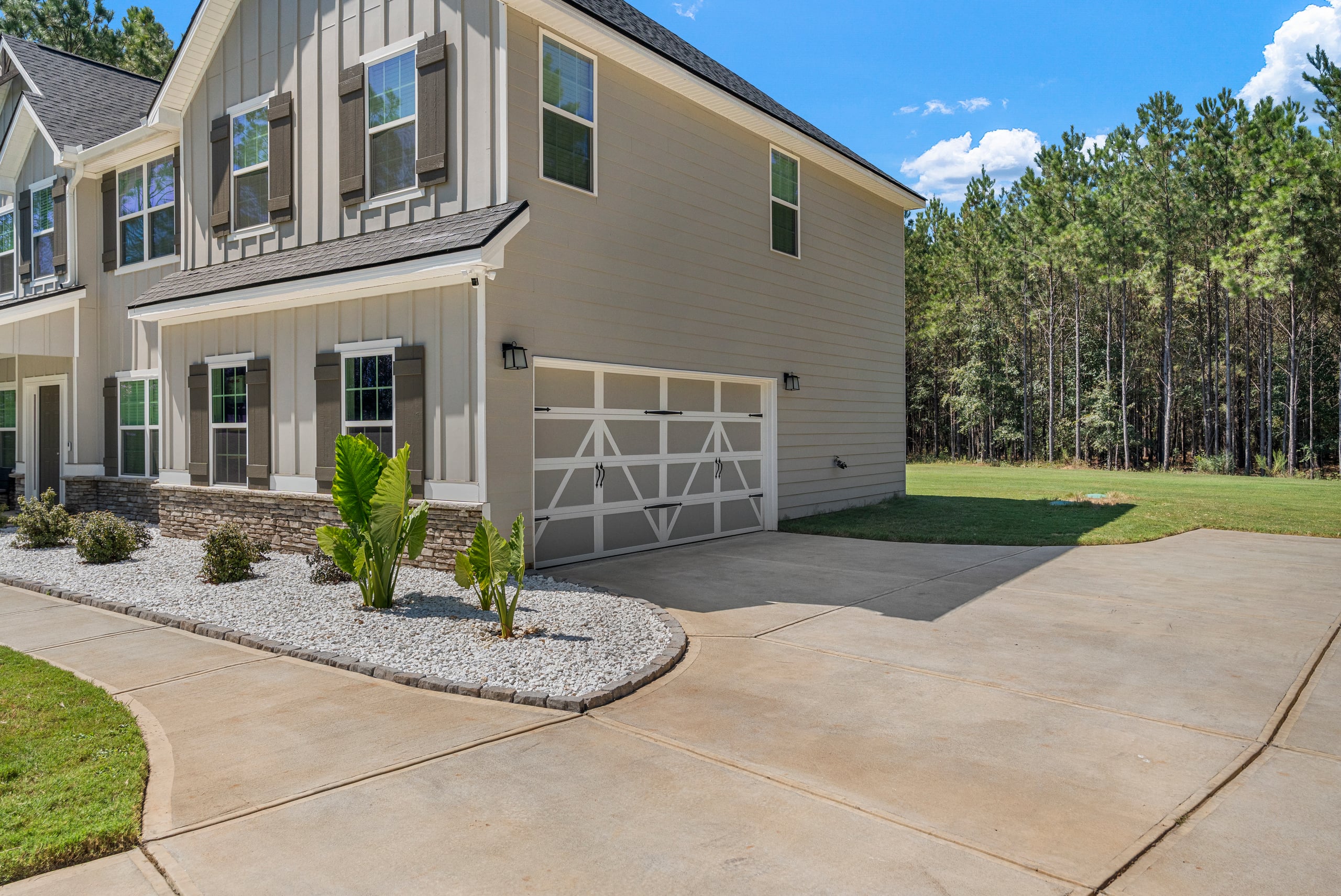
New-construction communities move fastest when every completed or near-complete spec home has current, consistent photography the moment it hits the market — not photos from the model home reused across five listings that don't actually look like it. Builders working multiple lots in the same community benefit from a standing shoot cadence: photograph each home as it nears completion, on the same visual standard, so the community's online presence looks unified instead of patchwork.
Retail, office, and industrial listings
Retail spaces need exterior signage visibility, storefront condition, and interior square footage read clearly — the things a prospective tenant's real estate committee will actually ask about. Office space photography favors natural light and clean sightlines through open floor plans. Industrial and warehouse listings need dock doors, clear ceiling height, and column spacing documented, along with drone coverage of the site for truck access and yard space — details a written listing description can't convey nearly as fast as one aerial photo.
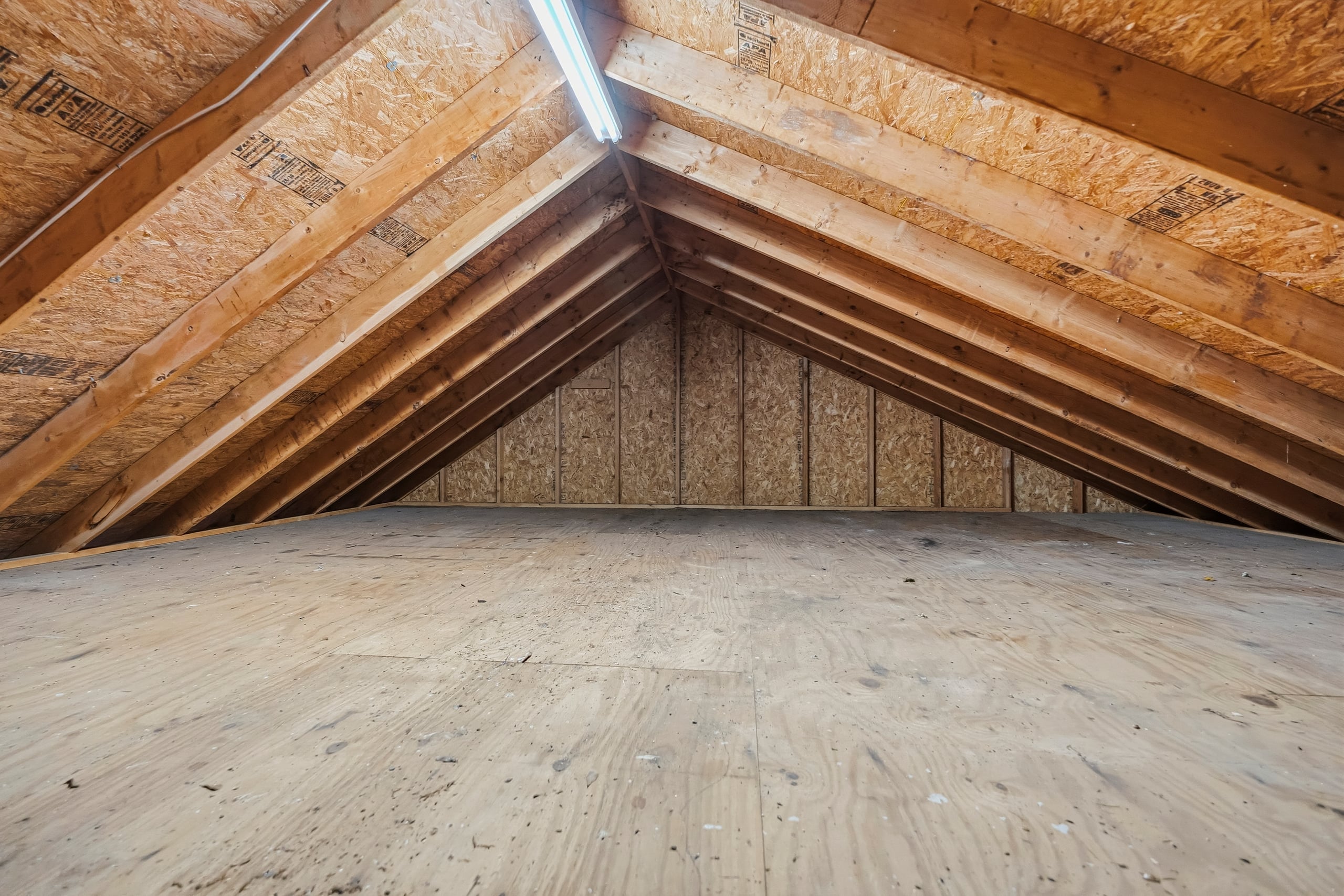
Vacancy photos differ from occupied-tenant photos in one important way: an empty retail box or office suite has to sell the potential of the space, which usually means wider lenses, careful attention to how the light falls across an otherwise featureless room, and enough shots of ceiling height and column placement that a tenant's design team can start planning a build-out from the photos alone, before ever scheduling a site visit.
Apartment and multifamily marketing
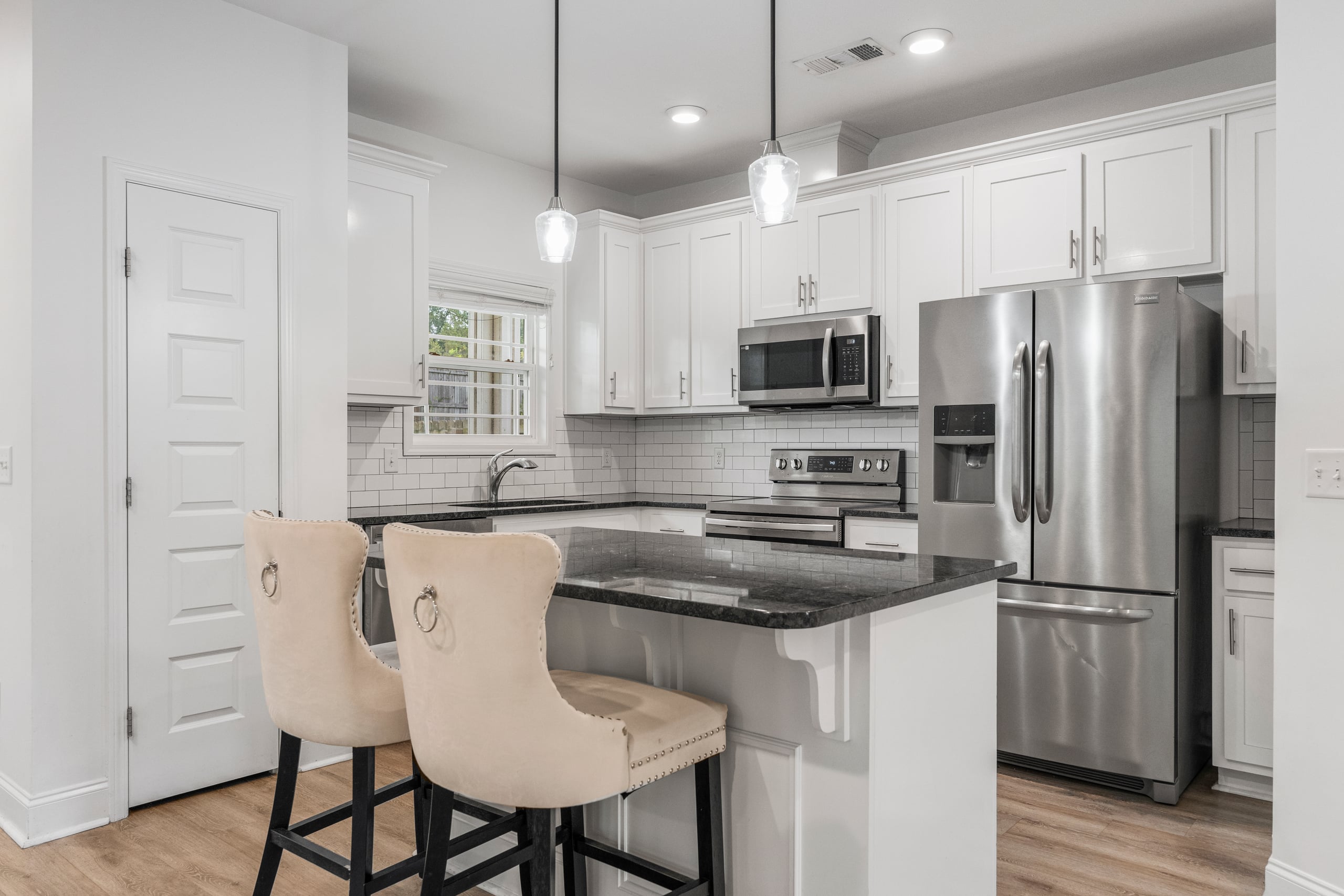
Multifamily marketing photography covers both the property (amenities, common areas, exterior, leasing office) and a representative sample of unit interiors — the same clarity-first approach as other commercial work, since a leasing manager is trying to fill units on a deadline, not curate a mood board. Video is available at the same commercial pricing tier for communities that want a walkthrough reel for their leasing website or social ads.
A multifamily shoot typically covers the leasing office and clubhouse, the pool or fitness amenities, a couple of exterior building elevations, and one furnished (or well-staged model) unit of each floor plan the property offers — enough for a prospective renter to picture the specific layout they'd be signing for, without re-shooting every occupied unit in the building.
Floor plans for leasing packets
A 2D floor plan does more work in a commercial leasing packet than it does on a residential listing — a corporate site-selection team or a retail real estate committee reviewing a market from a spreadsheet wants to see how a floor plan actually divides before they schedule an in-person walkthrough. Clean, measured floor plans get attached to the same delivery as the photography, sized for a PDF leasing deck rather than a consumer listing site.
Turnaround for commercial and builder work
Commercial shoots run on the same next-business-day delivery standard as residential listings — a leasing packet or a spec-home listing that's ready to go to market doesn't lose momentum waiting on photos. Builders with a standing shoot arrangement get their community's homes photographed on a predictable cadence tied to construction completion, so a new listing never sits with stale or mismatched photography from an earlier phase.
Working with brokers, builders, and property managers directly
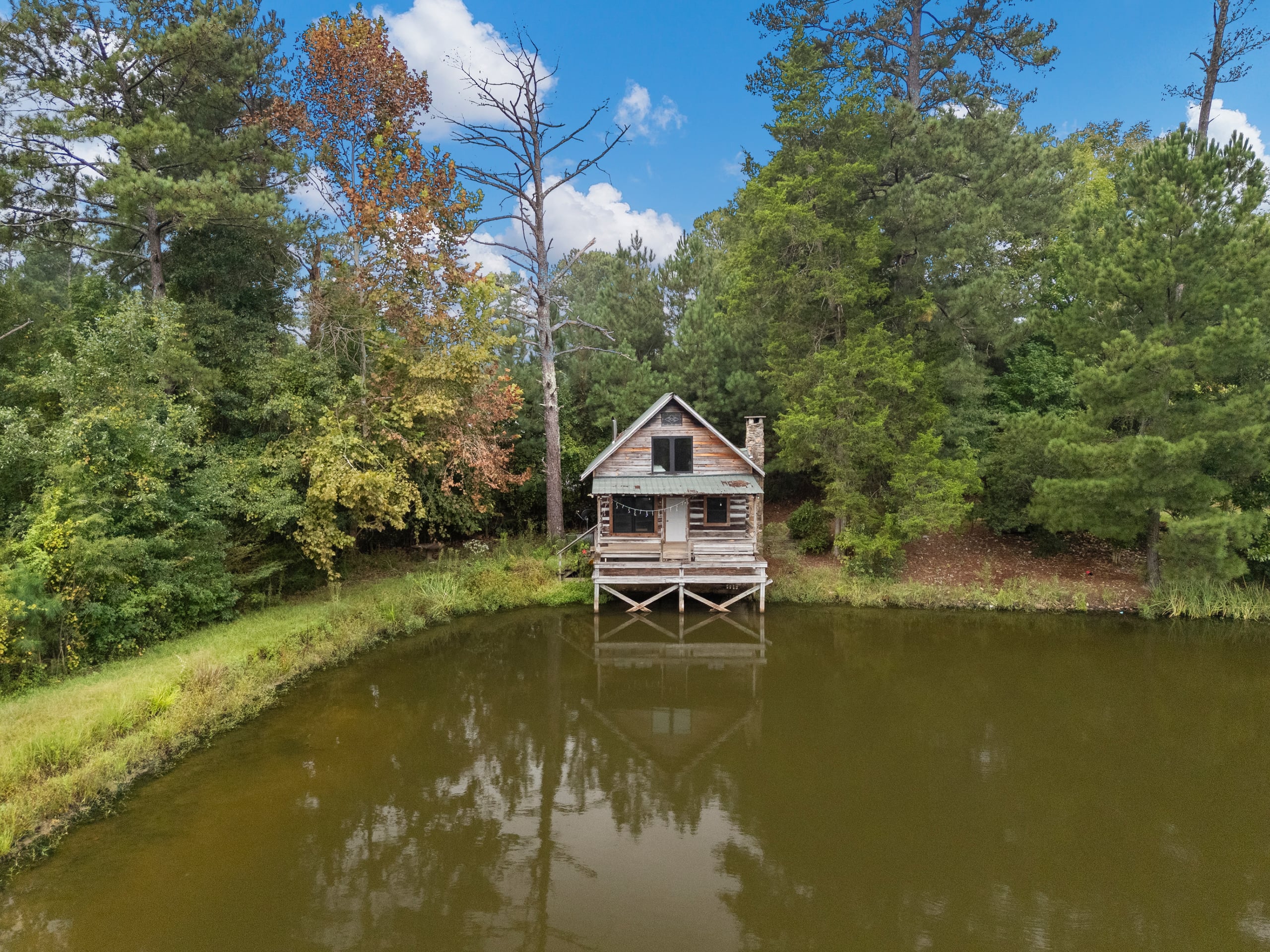
Most commercial work here comes through a small number of repeat relationships — a commercial broker with a rotating book of listings, a builder working several communities at once, a property management company covering a multifamily portfolio — rather than one-off bookings. That repeat structure means the shot list, editing style, and delivery format get dialed in once per client rather than re-negotiated on every job, which is part of how a same-business-day quote turnaround stays realistic even on jobs with more moving pieces than a standard residential shoot.
How commercial jobs are priced
Commercial pricing depends on the scope — square footage, number of buildings or units, whether drone and video are included, and travel distance. Because no two commercial jobs look alike, these are quoted directly rather than run through the square-footage calculator built for single-family homes. Reach out with the property type, approximate size, and what you need (stills, video, floor plans, or a combination), and you'll get pricing back the same business day.
Builders and property managers running repeat volume — a subdivision under active construction, a multifamily portfolio, a retail chain expanding into the region — get standing pricing worked out once, so each new shoot is a quick booking rather than a fresh negotiation.
Recent work
Full portfolio
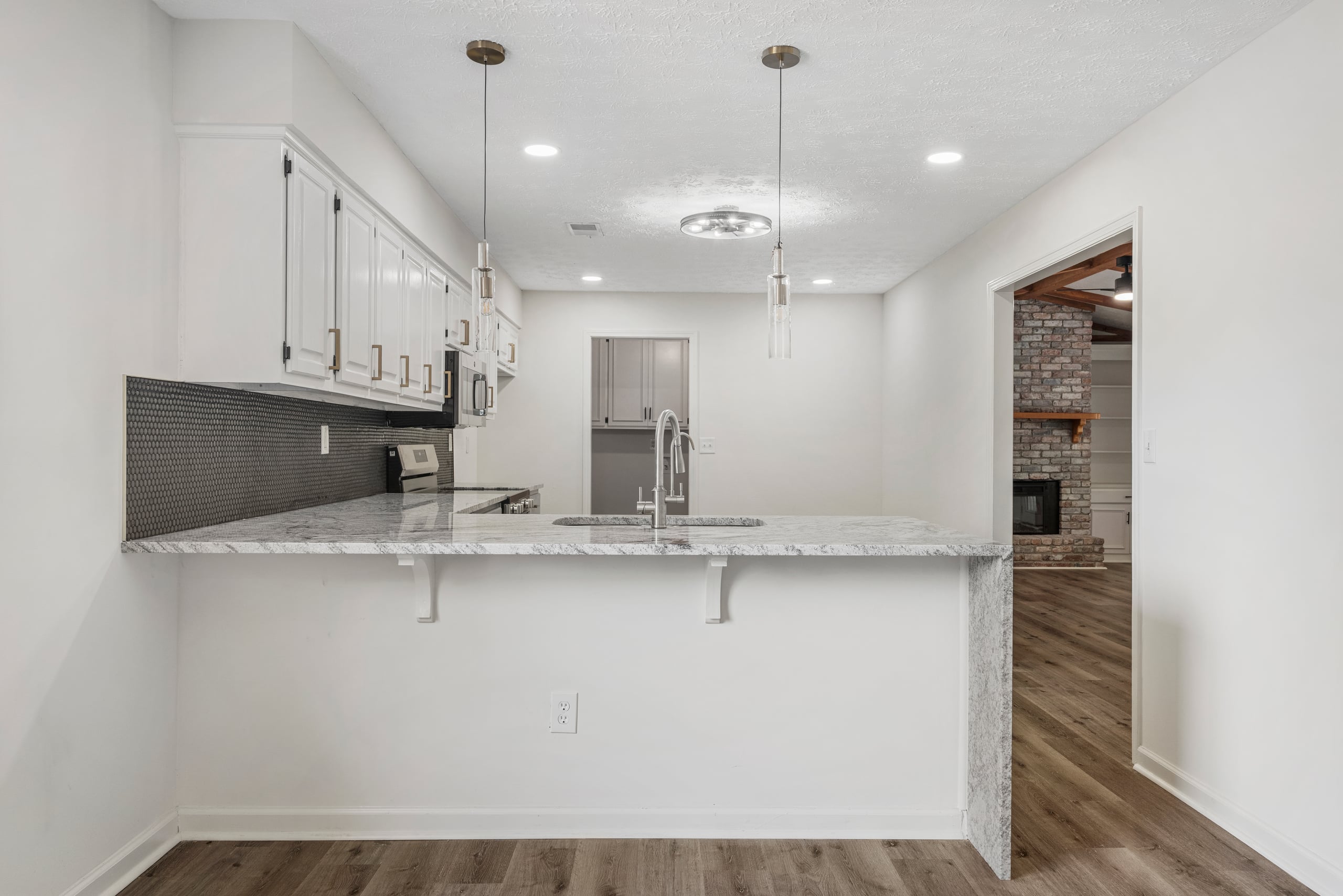
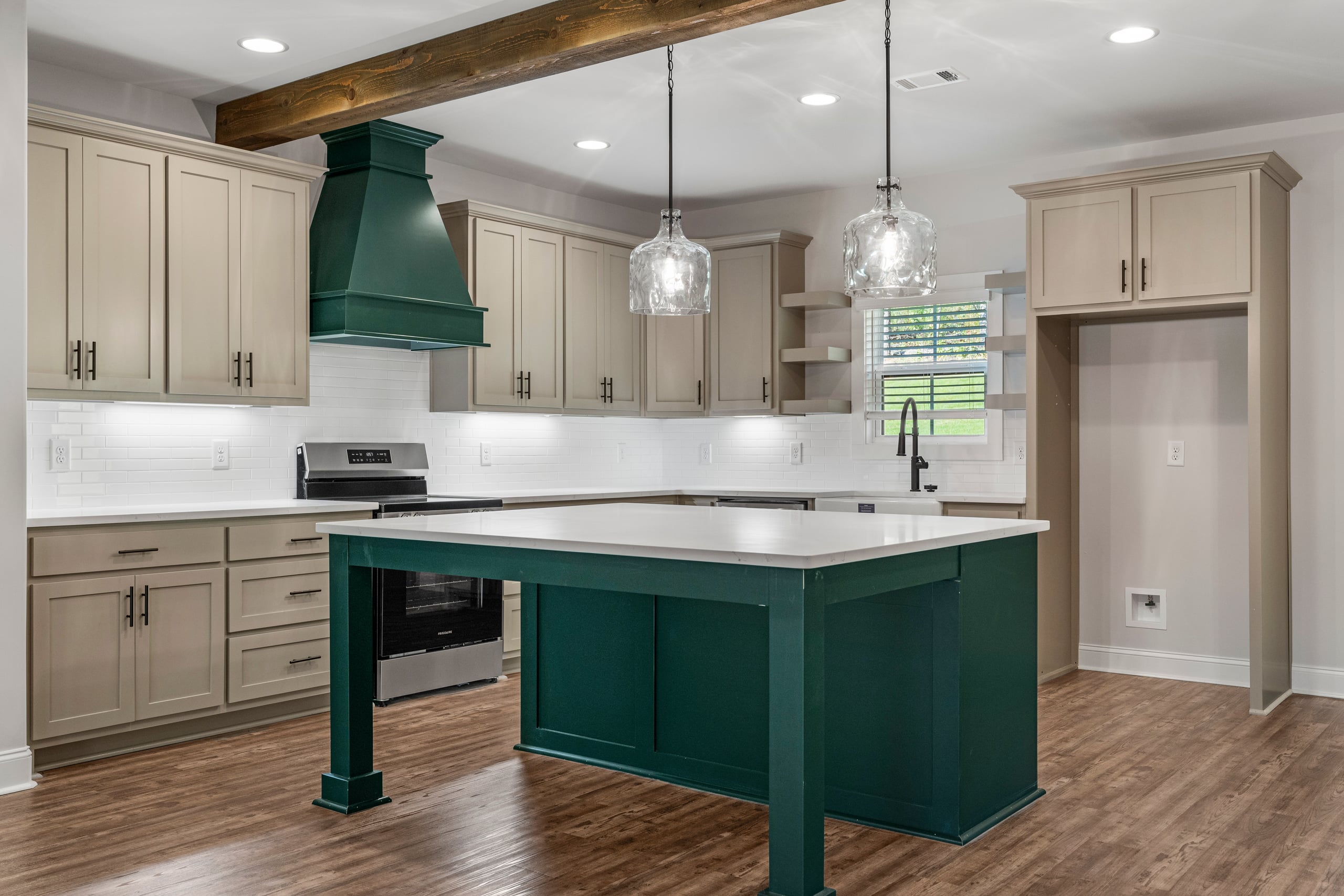
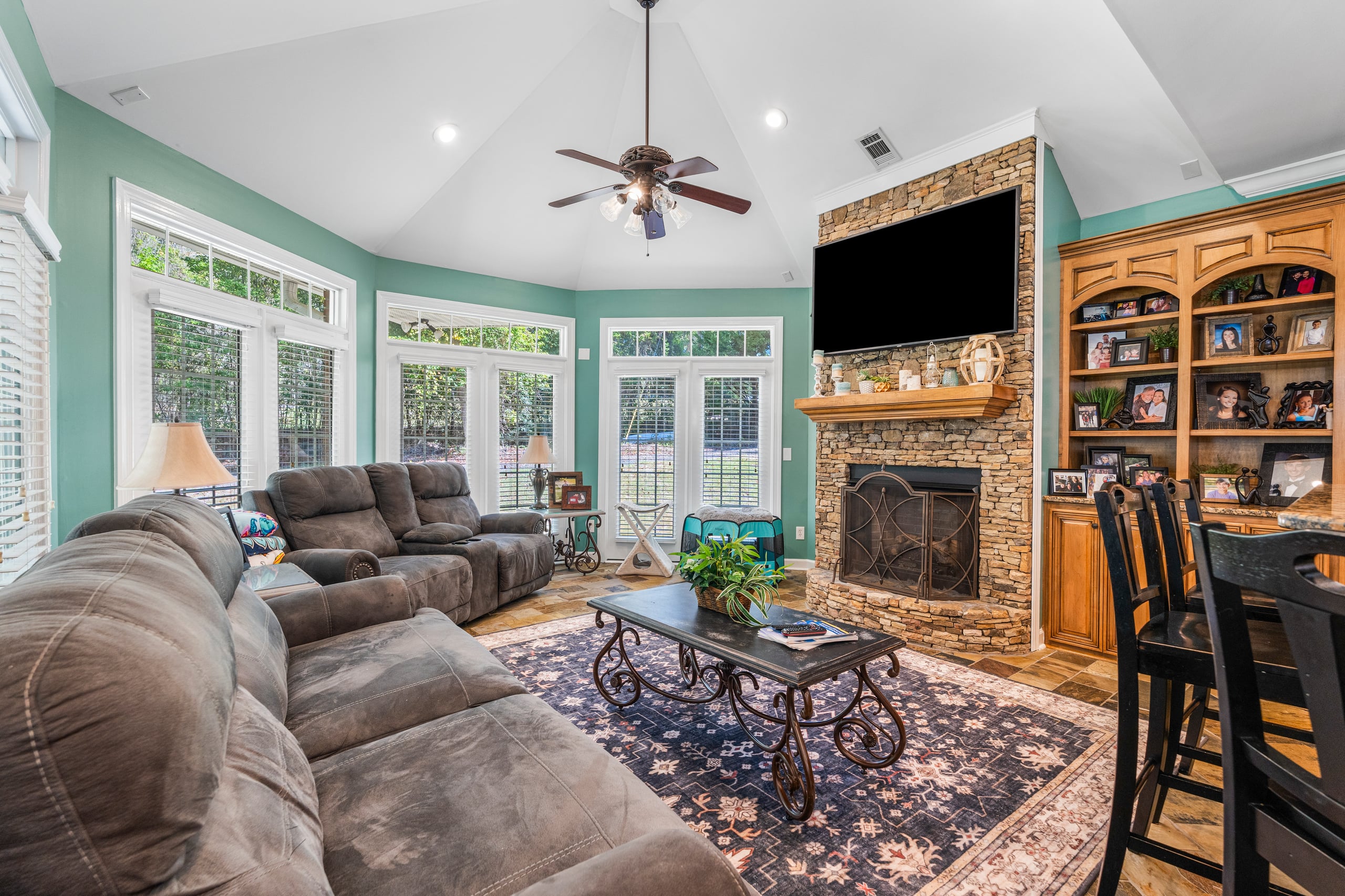
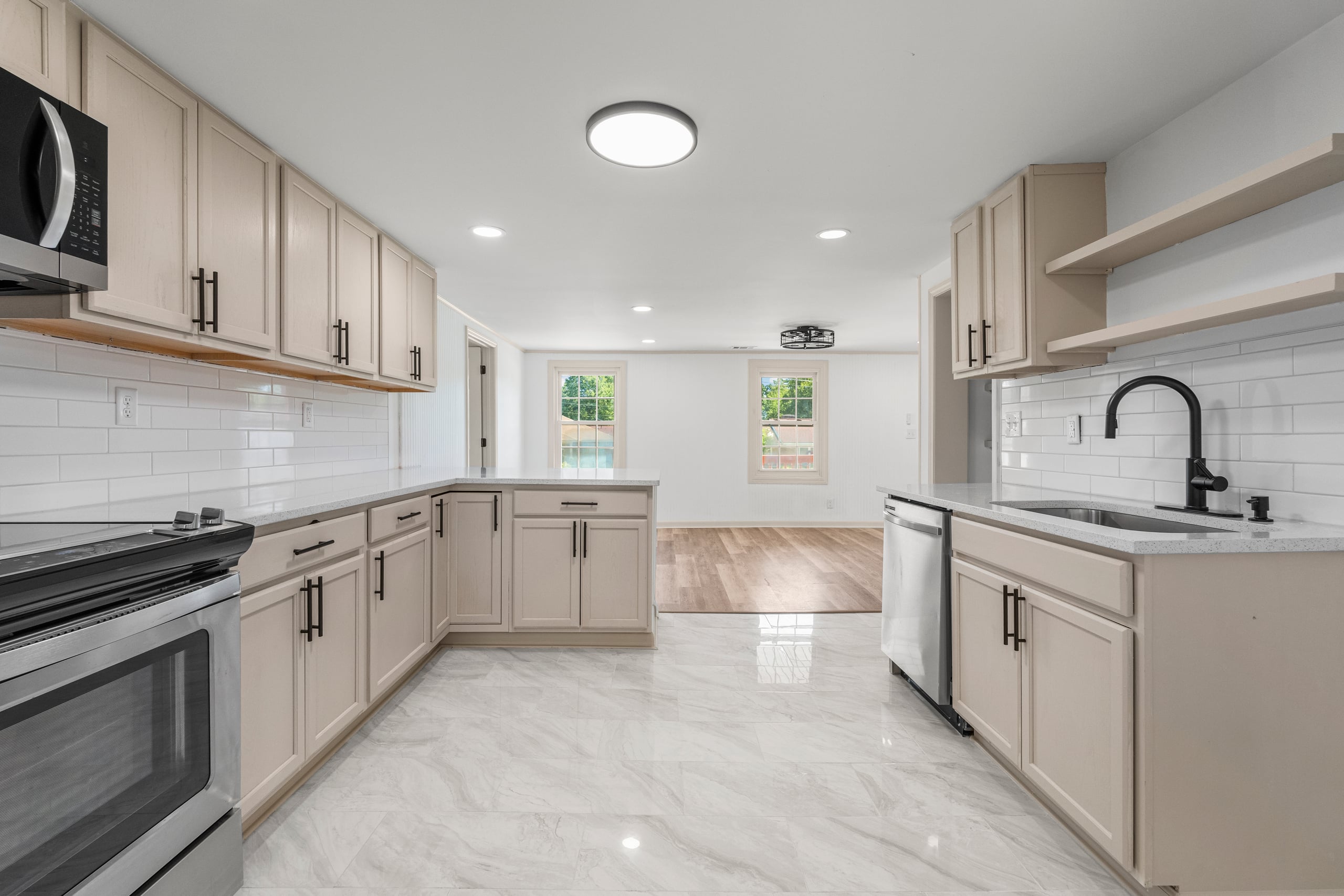
Frequently asked questions
Do you photograph builder and spec homes?
Yes — new-construction and spec homes, including standing shoot arrangements for builders working multiple lots in the same community so every listing carries consistent photography.
What kinds of commercial properties do you shoot?
Retail, office, industrial and warehouse, and apartment/multifamily properties, plus builder spec homes and new-construction communities.
Is video available for commercial properties?
Yes, at the commercial pricing tier — useful for leasing websites, social ads, and investor decks alongside still photography.
Is drone photography available for commercial sites?
Yes, FAA Part 107-licensed, useful for showing site position relative to highway access, yard and truck access on industrial sites, and overall property layout.
How is commercial photography priced?
Commercial jobs are quoted directly based on square footage, number of buildings or units, and whether video, drone, or floor plans are included — send the property details and get pricing back the same business day.
Are floor plans available for commercial properties?
Yes — clean, measured 2D floor plans sized for a leasing deck or investor packet, delivered alongside the photography.
More from the studio
Get a commercial quote
Tell us the property type and size — pricing back the same business day.
Contact us